
A motor vehicle accident can place sudden stress on the neck, back, shoulders, and other areas of the body. Some symptoms may appear immediately, while others can become noticeable later as normal activity resumes. At Hyland Physiotherapy and Wellness, we provide rehabilitation for auto accident injuries in Surrey BC with treatment planned around the individual’s symptoms, movement, and recovery needs.
Here are the main treatment areas our auto accident injury care can address:
At our auto accident injury clinic in Surrey BC, treatment begins with an assessment of your current symptoms and movement. Your rehabilitation plan can change as your condition progresses.
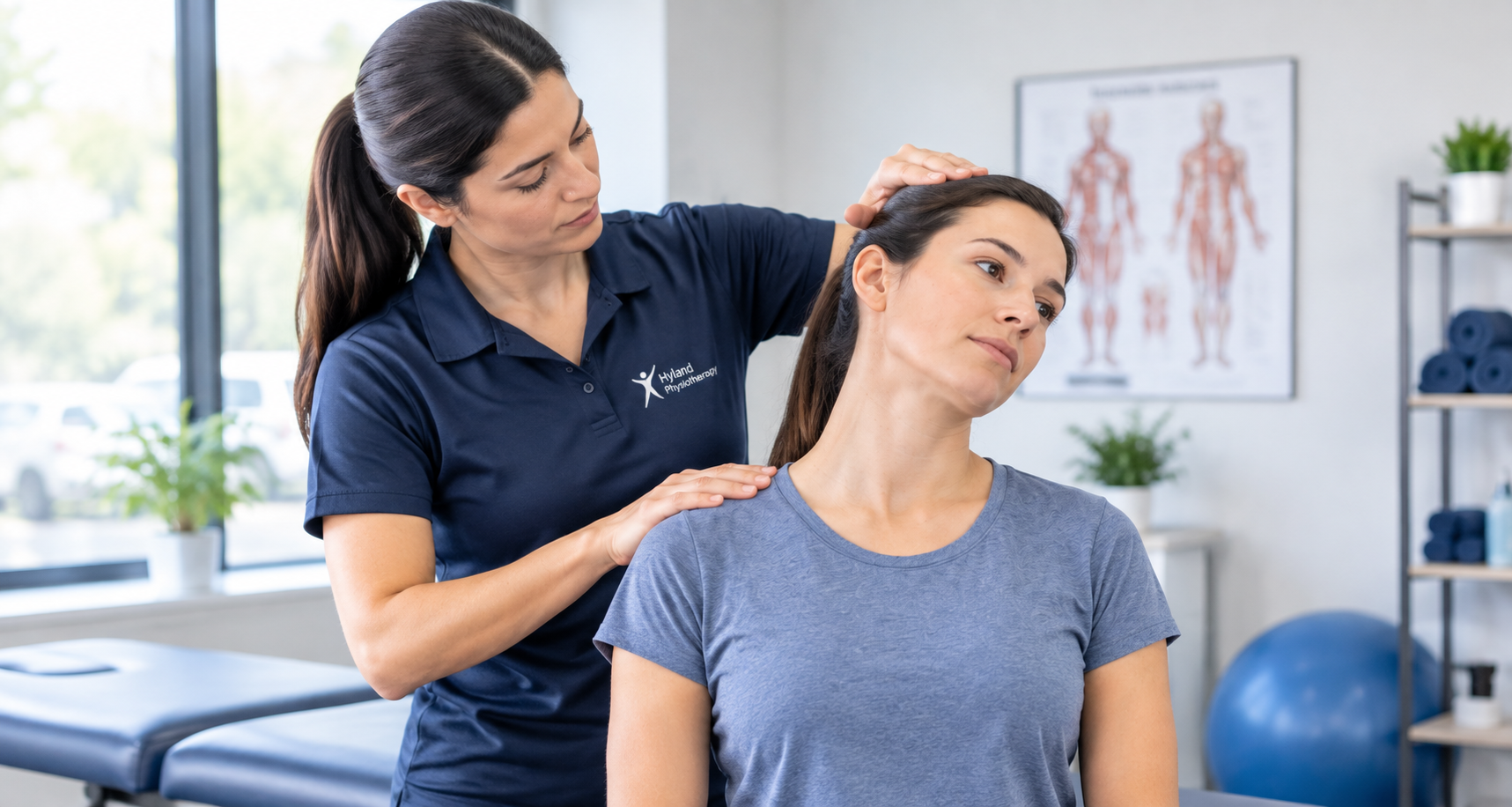
Auto accident rehabilitation begins with an assessment of the affected areas, current symptoms, movement limitations, and relevant history. This helps determine which treatment approaches are appropriate and whether additional medical assessment is needed.
Depending on the individual’s presentation, treatment may include therapeutic exercises, mobility work, manual therapy, stretching, strengthening, and other physiotherapy techniques. The intensity of treatment can be progressed gradually rather than immediately returning to demanding activity.
The rehabilitation plan is reviewed throughout the recovery process. As movement improves, exercises and activity recommendations can be changed to help patients gradually return to normal daily activities, work, and physical activity when appropriate.
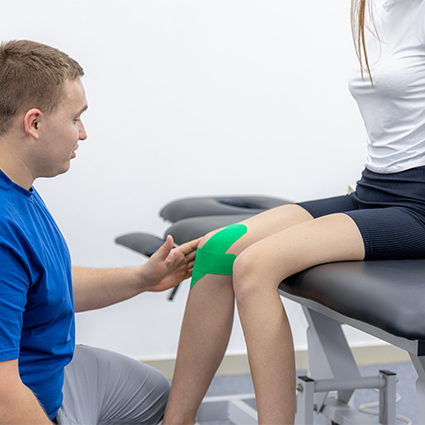
Symptoms following an accident can change over time. Some people may experience stiffness or discomfort immediately, while others may notice symptoms as they return to regular activity. Hyland Physiotherapy and Wellness provides auto accident injury rehabilitation in Surrey with attention to these changes.
Here are several concerns that may be addressed during ongoing auto accident injury care:
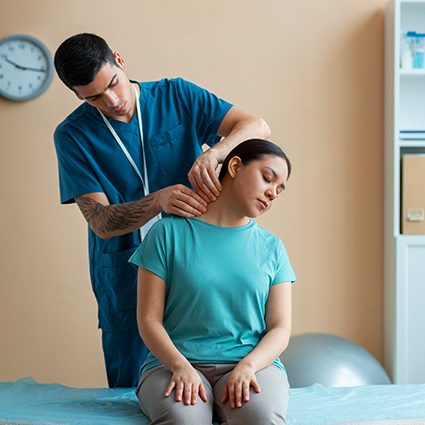
An accident can affect several areas of the body at once, and symptoms can vary considerably between individuals. We begin by reviewing your symptoms, movement limitations, accident history, and relevant medical information before planning rehabilitation.
Treatment is not limited to one technique. Depending on your condition, rehabilitation may include therapeutic exercise, mobility work, manual therapy, strengthening, and gradual return-to-activity strategies.
Recovery after an accident may not follow a straight timeline. We monitor changes in symptoms, movement, and activity tolerance and adjust your rehabilitation program as your condition develops.
If you develop pain, stiffness, reduced movement, or other physical symptoms after an accident, an assessment can help determine appropriate rehabilitation options. Serious or urgent symptoms should receive medical attention immediately.
Yes. Some people may notice symptoms later as they return to normal activities. New, worsening, or concerning symptoms should be discussed with an appropriate healthcare professional.
Depending on the assessment, rehabilitation may address neck and whiplash-related concerns, back discomfort, shoulder problems, soft-tissue symptoms, and movement limitations.
Your treatment plan may include therapeutic exercises, mobility work, manual therapy, stretching, strengthening, and progressive activity depending on your symptoms and functional needs.
There is no standard recovery period. It depends on factors such as the nature of the injury, severity of symptoms, physical condition, activity demands, and response to rehabilitation.
If available, provide information about the accident, current symptoms, previous injuries, medical assessments, medications, and any treatment or recommendations you have already received. This helps your therapist understand your situation and plan appropriate care.