
A stiff neck can make checking your blind spot uncomfortable. Tight shoulders can turn a full workday into hours of constant repositioning. Lower-back or hip tension can follow you from your desk to the car and then into the evening. Hyland Physiotherapy And Wellness offers massage therapy in Surrey BC, focusing on the muscles, connective tissue, tendons, ligaments, and soft tissues that may be contributing to those everyday restrictions. Repetitive lifting, sitting for extended durations, physical work, sports, lengthy hours of driving, postural strain, or stress-related tightening of the muscles can cause muscle tension. Old strains can sometimes leave some parts feeling guarded or less flexible long after the initial ache has faded.
Over time, this kind of chronic stiffness can make daily movement feel stiff, painful, or more tiring than it should. Some experience limited motion when they rotate their neck, reach overhead, bend, walk, or return to normal activity. Addressing chronic muscle tension can assist in improving mobility, decreasing stiffness, and making everyday activities more pleasant and easy. These alterations can influence how easily you move your head, raise an arm, bend, walk, train, sleep, or stay comfortable at work. When tight tissue begins changing the way you move through normal activities, massage therapy in Surrey can give those areas focused hands-on attention and help restore easier movement.

A massage ought to make sense in terms of why you came through the door. Before treatment, we assess your health history, current symptoms, medications, areas of concern, pressure preferences, and what you want to get out of your consultation. This gives your therapist valuable information before working on sore, tight, or restricted tissue.
Our approach to massage therapy in Surrey BC may include relaxation massage, deeper-pressure techniques, or sports-focused massage depending on your needs and comfort level. Treatment can focus on areas such as the neck, shoulders, upper back, lower back, hips, and other muscles affected by daily strain or physical activity.
Common massage-related concerns we work with include:
You remain covered appropriately with sheets and blankets during treatment, and you undress only to the level that feels comfortable for you.
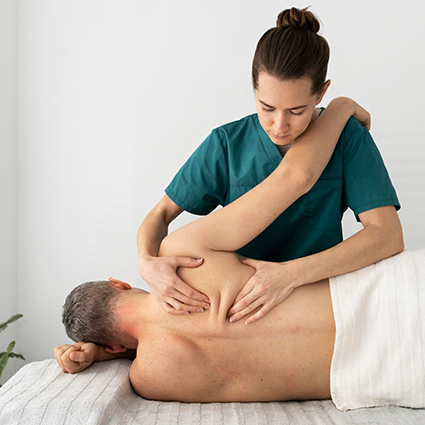
Effective massage doesn’t depend on using the strongest possible pressure. The correct pressure is what your tissues can comfortably respond to at that given session. Some places may need slower, deeper work while other areas may need lighter contact because they are sensitive, have just been strained, or are already irritated. You can tell our receptionist what pressure level you want when you book massage therapy, and then continue the conversation during your appointment. Your feedback allows your therapist to change pressure, placement, and technique as treatment develops.
Our Registered massage therapist in Surrey BC, Nick Flint, works with people dealing with physical discomfort, sports-related muscle strain, restricted movement, recovery needs, and the buildup of tension that can make the body feel heavy or stiff. He also has real-world experience with how muscular stiffness can impact training, recreation, and everyday movement due to his love for sports and physical activities. The importance of straightforward communication: You should leave a successful massage session feeling that the therapy addressed the areas that were genuinely limiting you.
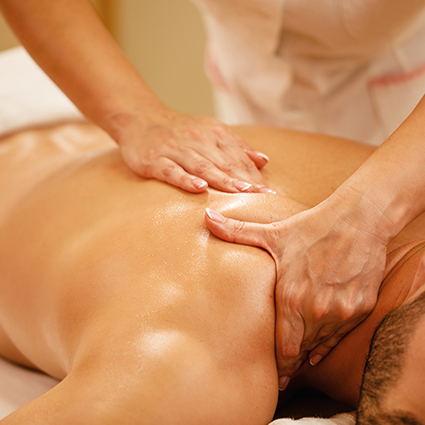
The effects of muscle tension often show up in small moments first. Reaching into a cupboard feels tighter. Turning your head while driving takes more effort. Sitting through a meeting becomes uncomfortable. Training starts to feel restricted. Sleeping positions become harder to settle into. Those everyday signals can be useful reasons to give overworked soft tissue some attention.
We provide massage therapy in Surrey BC, with your symptoms, comfort, activity level, and treatment goals in mind. After your session, your therapist may recommend simple massage-related aftercare such as gentle stretching or staying hydrated.
Your appointment can be especially useful when you’re dealing with:
First-time patients are encouraged to arrive for massage therapy in Surrey around 15 minutes early when intake forms haven’t already been completed. Booking ahead gives us the information needed to make your session focused, comfortable, and relevant from the start.
We offer a kinesiology background to each session, helping to link muscular tension to movement demands, activity routines, and physical load. That awareness of movement makes massage feel meaningful when aching tissue keeps interfering with the things you value doing.
With massage services in Surrey BC, your care is provided by a Registered Massage Therapist who works with soft tissue. You receive hands-on attention from someone trained to understand muscle response, tissue loading, recovery patterns, and activity-related strain during treatment.
You can book your massage online using JaneApp, see real-time availability, and get quick confirmation. Same-day openings may be available. Integrating massage care around work, training, family routines or the sudden surge in muscle tension becomes easier.
Yes, massage therapy can be useful when muscle soreness changes location from day to day. Moving discomfort may happen when several muscle groups are sharing the same workload, especially after repetitive activity, training changes, or long periods of physical strain. A massage therapist can note where tenderness appears, how the tissue feels, and whether nearby muscles seem to be compensating. That helps make the session focused instead of treating only one sore spot. At Hyland Physiotherapy And Wellness, it is helpful to describe when the discomfort shifts, what movements bring it on, and how long it lasts. Clear details give the therapist context and help track patterns over time. That can make future massage sessions more useful, focused, and consistent.
A little temporary soreness can happen after massage, especially when tight or sensitive muscle tissue has received more focused hands-on work. It should generally feel manageable rather than sharp, intense, or alarming. Because every body responds differently, the amount of post-massage tenderness can vary with tissue sensitivity, activity level, and how long the area has felt tense. Since the first FAQ explained changing soreness patterns, this next step is noticing how your body responds after a session. Pay attention to whether the treated area feels looser, easier to move, or simply different over the next day. If soreness feels stronger than expected or lasts longer than usual, tell your massage therapist so future sessions can be adjusted more comfortably overall.
Massage frequency depends on how your muscles respond, how active you are, and what you want from treatment. Some people book occasional sessions, while others choose a shorter interval during heavier physical demand periods. The response you noticed after your last session, including any temporary tenderness discussed above, can help guide the next booking. A massage therapist may consider whether the same areas keep tightening again and how long any change lasts between appointments. Rather than following a fixed schedule, it is more useful to base timing on your own response and goals. When people search for the best massage therapy in Surrey BC, a sensible schedule is one that stays practical, comfortable, and connected to how their body reacts.
Yes, your normal exercise routine can affect how a massage session feels and how your muscles respond afterward. Hard training can leave muscle tissue tired, tender, or more sensitive, which may change what feels comfortable during treatment. Since session timing depends partly on your body’s response, your recent activity is useful information to share with your therapist. Mention heavy lifting, long runs, intense practices, competitions, or sudden increases in training load before the massage starts. This helps the therapist understand why certain areas may feel unusually reactive that day. You may also notice how your body feels before returning to demanding activity afterward. That simple awareness can help you plan future massage appointments around training more sensibly and comfortably overall.
Massage may be helping when you notice practical changes in how your muscles feel and behave between sessions. Those changes can include less tenderness, fewer episodes of tightness, easier recovery after activity, or a longer period before the same muscle area starts bothering you again. Because the previous FAQ focused on exercise timing, it is useful to compare how your muscles respond during similar workouts or daily tasks from one week to the next. Progress does not have to feel dramatic to be meaningful. Changes can be easier to notice when you pay attention to the same activities each time. At Hyland Physiotherapy And Wellness, sharing those observations gives your massage therapist clearer feedback about how your tissue is responding.
Your massage therapist should know about older muscle injuries if they still affect comfort, movement, or tissue sensitivity today. Even an injury from years ago can be useful background when the same area feels guarded, tender, or easily overworked. This connects naturally with tracking progress, because an old strain may explain why one muscle group reacts differently from another. Share what happened, roughly when it occurred, whether the area settled, and what activities still bother it. You do not need to give a complicated medical explanation. Clear details are enough to help the therapist understand the history behind the tissue being treated. For people looking for massage therapy near Surrey BC, clear open communication can make each session more relevant.
Yes, it is worth telling your massage therapist about new changes before each session, even when you have visited before. Muscle condition can shift with training, work demands, sleep position, travel, minor strains, or a change in daily activity. The old-injury history discussed above remains useful, but your therapist also needs to know what is different now. Mention any new tenderness, unusual sensitivity, recent physical effort, or area that has started reacting differently since your previous visit. This helps keep the massage focused on your current body rather than an outdated picture of how you felt last time. A short update at the beginning of each appointment can make treatment more relevant and help your therapist compare patterns across sessions.