
Good movement matters because pain, weakness, stiffness, and injury can interfere with work, exercise, and everyday tasks. Physiotherapy examines how the body moves and uses exercises, movement training, and hands-on treatment to address specific physical problems. At Hyland Physiotherapy And Wellness, our approach to physiotherapy in Newton BC starts with understanding your condition, current movement limits, and affected activities.
Here are the main physiotherapy applications we address during treatment:
We then plan to care for the person’s physical needs instead of following the same routine for every condition. Our physiotherapy services in Newton BC cover different stages and types of rehabilitation. Hyland Physiotherapy And Wellness keeps each treatment plan connected to the patient’s condition, current ability, progress, and daily physical demands.

Pain in one area can affect nearby joints and muscles, so treatment is often considered more than the exact location of discomfort. Our physiotherapy in Newton BC may include the neck, shoulders, upper back, lower back, and elbows based on symptoms and movement problems. We check joint movement, muscle strength, flexibility, posture, coordination, and how the affected area responds during normal activity.
Neck treatment can address difficulty turning the head, looking upward or downward, or maintaining a position during desk work. Shoulder care may focus on reaching, dressing, carrying, or overhead movement. Upper back treatment can address stiffness and movement limits during twisting, reaching, or prolonged sitting.
Lower back care may involve bending, standing, position changes, trunk movement, and activities that place load through the area. Elbow treatment can involve gripping, carrying, pushing, pulling, or repeated arm use. At our physiotherapy clinic in Newton BC, we also consider whether movement in one body area places added stress on another. This allows our team to choose exercises and treatment methods that relate directly to how the patient moves at work, at home, during exercise, and in other regular activities.

Recovery also needs to make sense during real daily activities. During physiotherapy, we consider how a person walks, sits, stands, bends, reaches, lifts, and uses stairs. People receiving physiotherapy in Newton can have very different movement demands, so we adjust exercise selection, movement practice, and progression according to current ability and functional goals.
Difficulty with everyday movement may come from reduced strength, stiffness, poor balance, pain, or limited control. Instead of focusing only on exercises completed during appointments, we consider how physical changes affect tasks performed at home, work, or during recreation.
Here are some functional activities our treatment may address:
For people considering physiotherapy near Newton BC, Hyland Physiotherapy And Wellness keeps treatment connected to useful movement goals and adjusts the plan as physical ability changes.
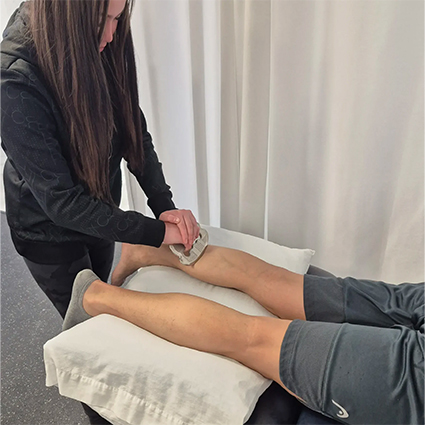
Our physiotherapist in Newton BC guides clients on how much activity their body can handle, helping prevent repeated irritation while keeping recovery active and steady.
We prepare clients for a gradual return to work, sports, or exercise, helping them rebuild confidence without rushing physical demands.
We monitor how symptoms change between visits and adjust physiotherapy care when needed, helping clients avoid staying with methods that are no longer useful.
Changes may be needed if exercises become too easy, symptoms increase, or progress stops for several visits. Our physiotherapist in Newton BC reviews these changes and can adjust movement difficulty, exercise volume, or treatment methods based on how the body responds.
Pain does not always come only from the area where it is felt. A physiotherapy assessment may look at nearby joints, muscles, and movement habits. Our approach considers how these areas work together during normal daily movement.
Yes. Reduced pain does not always mean strength, mobility, or movement control has fully returned. Continuing physiotherapy can help address remaining limits and support safer movement before patients fully return to demanding work, exercise, or regular physical activity.
Progress can vary depending on the condition, activity level, healing stage, and consistency with exercises. At Hyland Physiotherapy And Wellness, our physiotherapy team reviews changes over time and adjusts treatment when the current plan is not producing enough improvement.
Mention new numbness, weakness, swelling, sharp discomfort, or changes in movement as soon as possible. Sharing these changes helps the physiotherapist understand how the condition is developing and whether the current treatment plan needs review.
Yes. It includes guidance about activity levels, movement habits, exercise limits, and ways to manage physical demands between appointments. Our team connects this advice with the patient’s condition and current stage of recovery.