
Pelvic floor muscles support the bladder, bowel, pelvic organs, and everyday movement. When these muscles become weak, tight, or poorly coordinated, people may notice leakage, pressure, discomfort, or difficulty controlling certain movements.
During pelvic floor physiotherapy in Delta BC, we assess muscle strength, relaxation, coordination, breathing, and how the pelvic floor responds during movement. Hyland Physiotherapy And Wellness uses these findings to understand whether the muscles need strengthening, relaxation, or better coordination. People receiving physiotherapy may also need assessment of pressure control during coughing, lifting, bending, or exercise.
Here are some of the main areas we examine during a pelvic floor assessment:
Assessment also helps us choose exercises based on what the muscles actually need. Our pelvic floor physiotherapist in Delta BC can identify differences between weakness and excessive muscle tension, rather than treating every pelvic floor concern the same way. Our goal is to use clear findings to guide each stage of care.
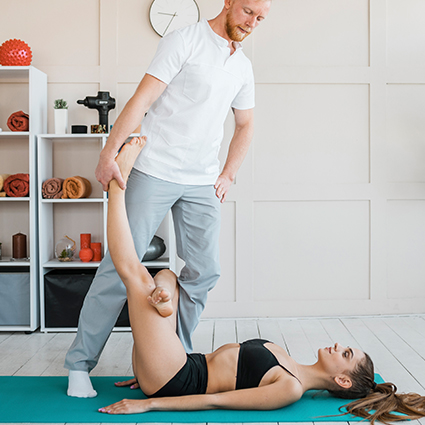
Treatment depends on whether the pelvic floor is weak, overactive, poorly coordinated, or affected by bladder or bowel concerns. Our pelvic floor physio in Delta BC may include strengthening exercises when muscles cannot produce enough support or control. However, strengthening is not suitable for everyone. Some people need pelvic floor relaxation exercises because their muscles remain tense and have difficulty fully releasing.
Breathing and pressure-control training teaches the pelvic floor and diaphragm to work together during daily movement. Our approach may also include bladder retraining for people who experience frequent urges, sudden urgency, or difficulty reaching the bathroom without leaking. Patients can learn practical bladder habits and gradual timing methods instead of repeatedly going to the bathroom “just in case.”
Bowel movement positioning may also form part of treatment when straining or poor pelvic muscle relaxation makes bowel movement difficult. Our pelvic physiotherapy in Delta BC can include changes to sitting position, breathing, and muscle release during toileting. Hyland Physiotherapy And Wellness also explains how to do exercises correctly at home and how often to do them.
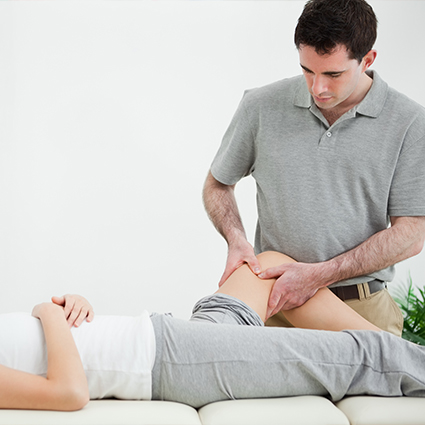
Pregnancy and childbirth place added load on the pelvic floor, abdominal muscles, and surrounding tissues. After delivery, some people notice weakness, urine leakage, pelvic pressure, reduced abdominal control, or discomfort around a C-section scar. Hyland Physiotherapy And Wellness supports postpartum recovery by addressing how these areas function together during walking, lifting, exercise, childcare, and other daily tasks.
Through pelvic health physiotherapy in Delta BC, we adjust exercise difficulty as recovery progresses rather than using the same routine throughout postpartum care. The aim is to restore useful muscle control without pushing the body faster than it is ready to progress.
Here are several areas our postpartum rehabilitation may address:
Our pelvic floor physio in Delta BC also supports a gradual return to activity based on current strength and symptoms. Hyland Physiotherapy And Wellness keeps each stage focused on safe muscle use and practical daily function.
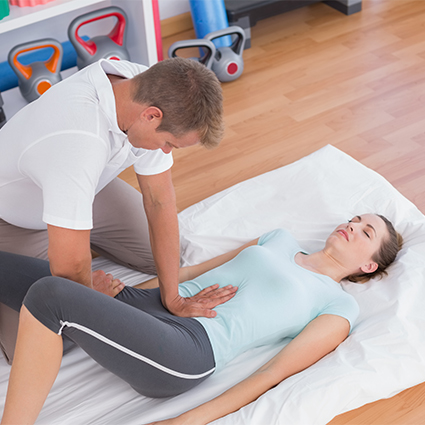
We help reduce heaviness and pressure linked to pelvic organ prolapse so that you can move, stand, and complete daily tasks more comfortably.
We address pelvic floor tension that can make intimacy painful, helping improve muscle release and comfort while keeping your care respectful and clear.
We offer pelvic floor physiotherapy in Delta to address sudden bladder urgency, helping you improve control and feel less restricted by bathroom access.
Frequent nighttime urination may relate to bladder habits, pelvic floor control, fluid timing, or other health factors. Hyland Physiotherapy And Wellness reviews these patterns and helps patients understand whether muscle function or bladder training may contribute to their symptoms.
Yes, pelvic floor physiotherapy may support recovery after a hysterectomy when pelvic weakness, pressure, or movement changes remain. We assess how the pelvic muscles respond after surgery and guide safe activity changes based on healing, symptoms, and current physical function.
Kegel exercises are not right for every pelvic floor problem. Muscles that remain too tense may feel worse with repeated contractions. Our approach to pelvic floor physiotherapy in Delta BC checks muscle function first, then determines whether strengthening, relaxation, or another form of pelvic floor training is more suitable.
Pain with tampon insertion can sometimes occur when pelvic floor muscles tighten or do not release easily. Our therapist providing pelvic floor physiotherapy in Delta BC can assess muscle response and teach controlled relaxation methods that may reduce discomfort during insertion over time.
Menopause can coincide with changes in bladder control, pelvic support, and muscle function. At Hyland Physiotherapy And Wellness, we focus on the muscle and movement side of these concerns. We help patients maintain useful pelvic control through suitable exercises, education, and activity guidance.
Early assessment can be useful when small changes begin affecting daily routines, even if symptoms remain manageable. Our team can identify changes in pelvic floor function and provide appropriate guidance before poor muscle habits become harder to change with time.