Limited flexibility, stiffness, reduced balance, or difficulty moving comfortably can affect exercise and everyday activities. Yoga uses controlled movement, stretching, breathing, balance, and body awareness to support physical activity. At Hyland Physiotherapy and Wellness, we offer yoga in Surrey BC with movement options that can be adapted according to individual ability and comfort.
Here are the main areas our yoga care can address:
At our yoga program in Surrey BC, exercises are introduced according to the participant’s ability rather than expecting everyone to perform the same movements. Modifications can be provided when a particular position is uncomfortable or difficult.
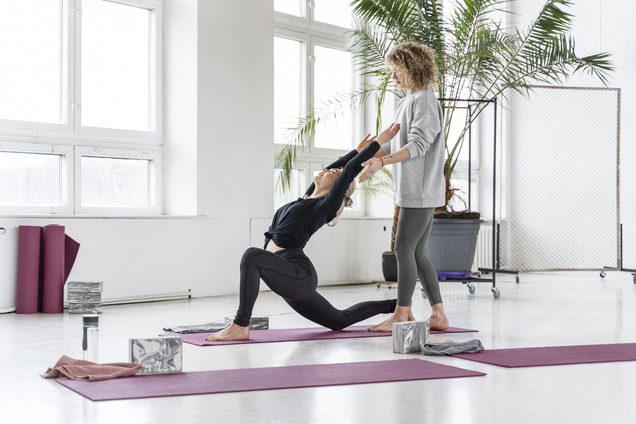
Yoga sessions can include controlled stretches, mobility exercises, balance positions, breathing practices, and strengthening movements. The combination can vary according to the individual’s goals, movement ability, and comfort during the session.
Movement is generally performed in a controlled manner, with attention given to breathing and body position. Participants are encouraged to work within a comfortable range rather than forcing a stretch or position. Modifications can be introduced when needed.
Yoga may also be used alongside physiotherapy and rehabilitation exercises. For someone working on mobility, balance, or general movement, yoga-based exercises can be selected to complement the broader treatment plan.

Movement needs can change with age, activity level, work demands, and previous injuries. Hyland Physiotherapy and Wellness offers yoga in Surrey to help individuals work on mobility, flexibility, balance, and controlled movement within an appropriate exercise program.
Here are several areas that may be addressed during ongoing yoga care:
Regular review helps determine whether movements need to be modified as flexibility, strength, balance, or comfort changes. Our approach is focused on making movement practical and manageable.
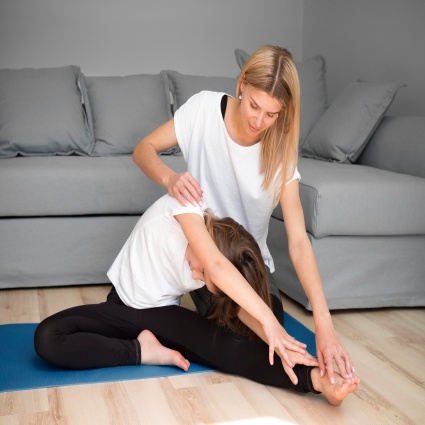
Our approach to yoga focuses on movements that can be useful in everyday life. Sessions may incorporate flexibility, mobility, balance, breathing, strength, and body awareness rather than focusing only on performing advanced poses.
You do not need to be highly flexible or experienced in yoga to participate. Movements can be adjusted according to your current flexibility, strength, balance, and comfort so that you can work at an appropriate level.
For patients already working on physical rehabilitation, selected yoga movements may complement their exercise program. We can focus on controlled movement and gradual progression rather than pushing through discomfort.
No. You do not need to be flexible or experienced to begin. Yoga movements can be modified according to your current ability, and flexibility can be worked on gradually.
Yes. Beginners can start with basic movements and gradually become familiar with different positions, breathing techniques, balance exercises, and controlled movement.
This depends on the nature of your pain or injury. Some movements may be modified, while others may not be appropriate. It is important to discuss your condition with your healthcare professional before participating.
Yoga includes controlled stretching and movement that may help individuals work on flexibility and mobility. The exercises should be performed within a comfortable and appropriate range.
The ideal frequency depends on your goals, physical condition, and overall activity routine. Consistency is generally more useful than trying to perform difficult sessions occasionally.
Yes. Selected yoga-based movements may complement physiotherapy exercises when they are appropriate for the individual’s condition and rehabilitation goals.