Persistent muscle, joint, or soft-tissue discomfort can make everyday movement, exercise, work, and rest more difficult. Laser therapy uses targeted light energy applied to selected areas of the body as part of a physiotherapy treatment plan. At Hyland Physiotherapy and Wellness, we offer laser therapy in Surrey BC, with treatment planned around the area being addressed, the nature of the concern, and how the patient responds during care.
Here are the main treatment areas our laser therapy care can address:
At our laser therapy clinic in Surrey BC, each session is planned around the area being treated rather than following the same routine for every patient. Treatment can be adjusted as symptoms, activity levels, and recovery needs change.
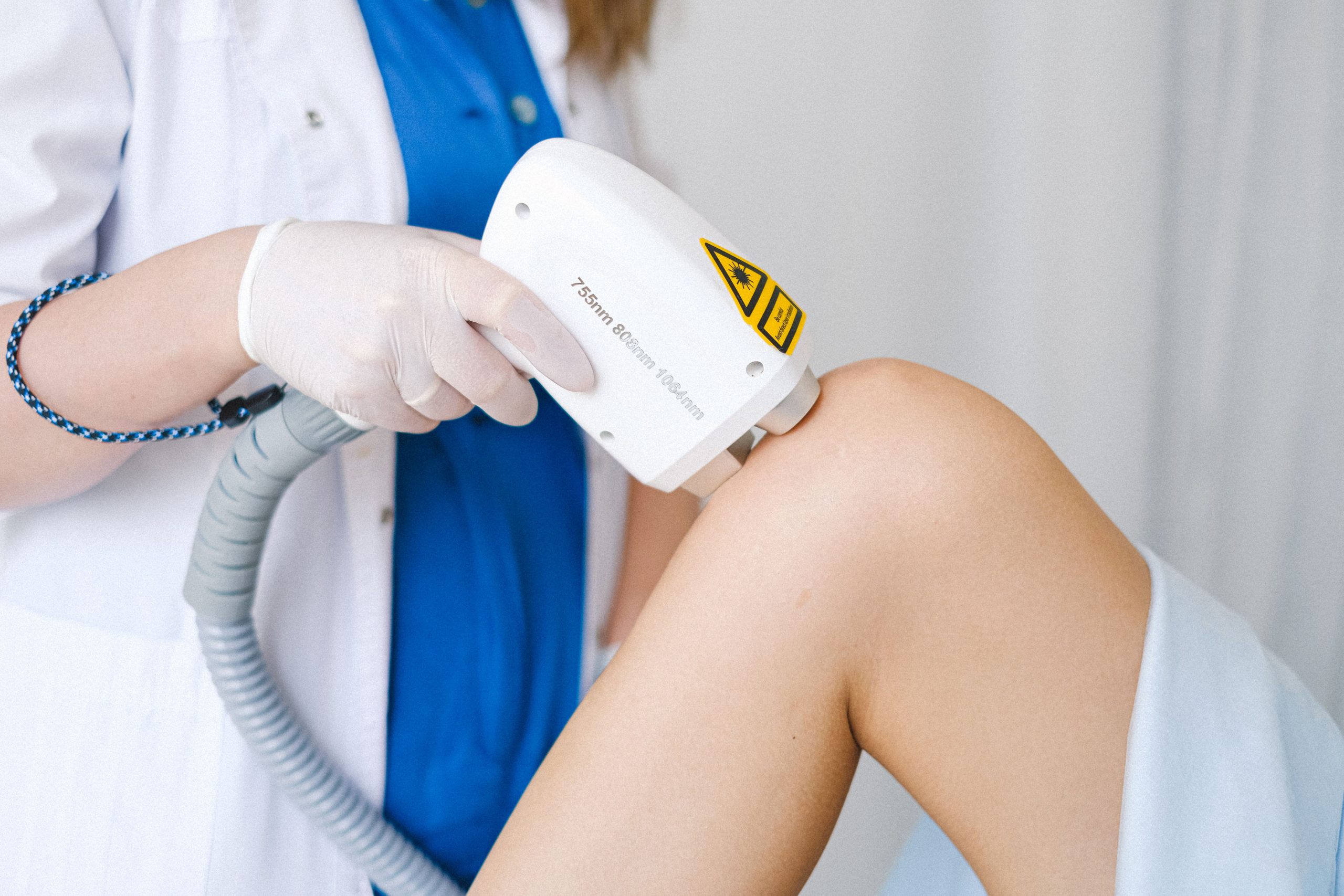
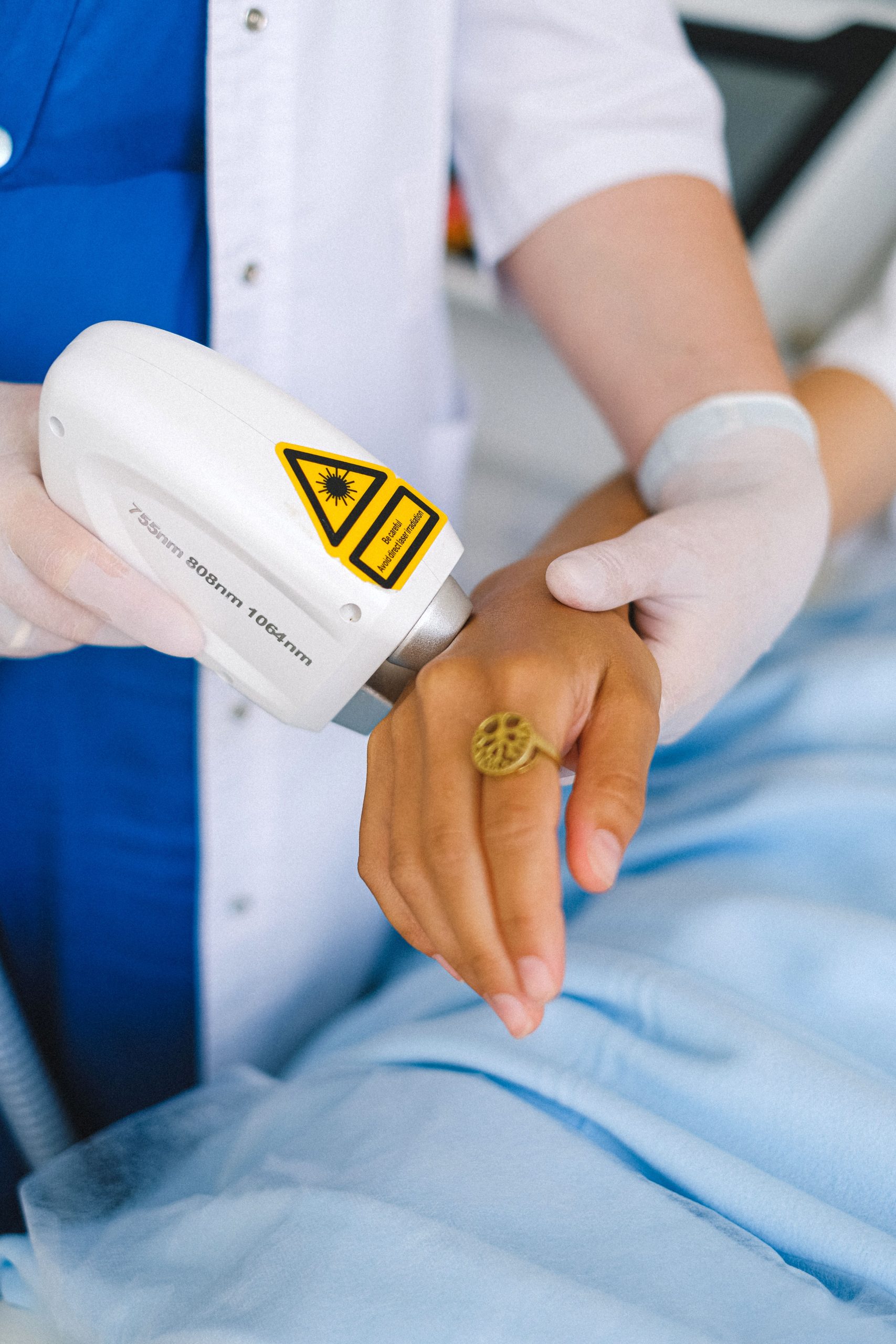
Laser therapy sessions begin with consideration of the area requiring treatment and the patient’s current symptoms. The laser device is applied to selected areas according to the treatment plan, with settings adjusted based on the body region and clinical assessment. The goal is to keep treatment focused and appropriate for the individual rather than applying the same settings to every concern.
During a session, the treatment area is identified and the laser applicator is positioned according to the selected treatment plan. Patients may experience a gentle warming sensation, although the experience can vary depending on the equipment and area being treated. Treatment duration can also vary depending on the size and location of the area.
Laser therapy does not necessarily need to be used as a stand-alone treatment. At Hyland Physiotherapy and Wellness, it may be combined with therapeutic exercise, mobility work, manual therapy, or other physiotherapy approaches when appropriate. The treatment plan can be reviewed from one appointment to the next based on changes in symptoms and movement.
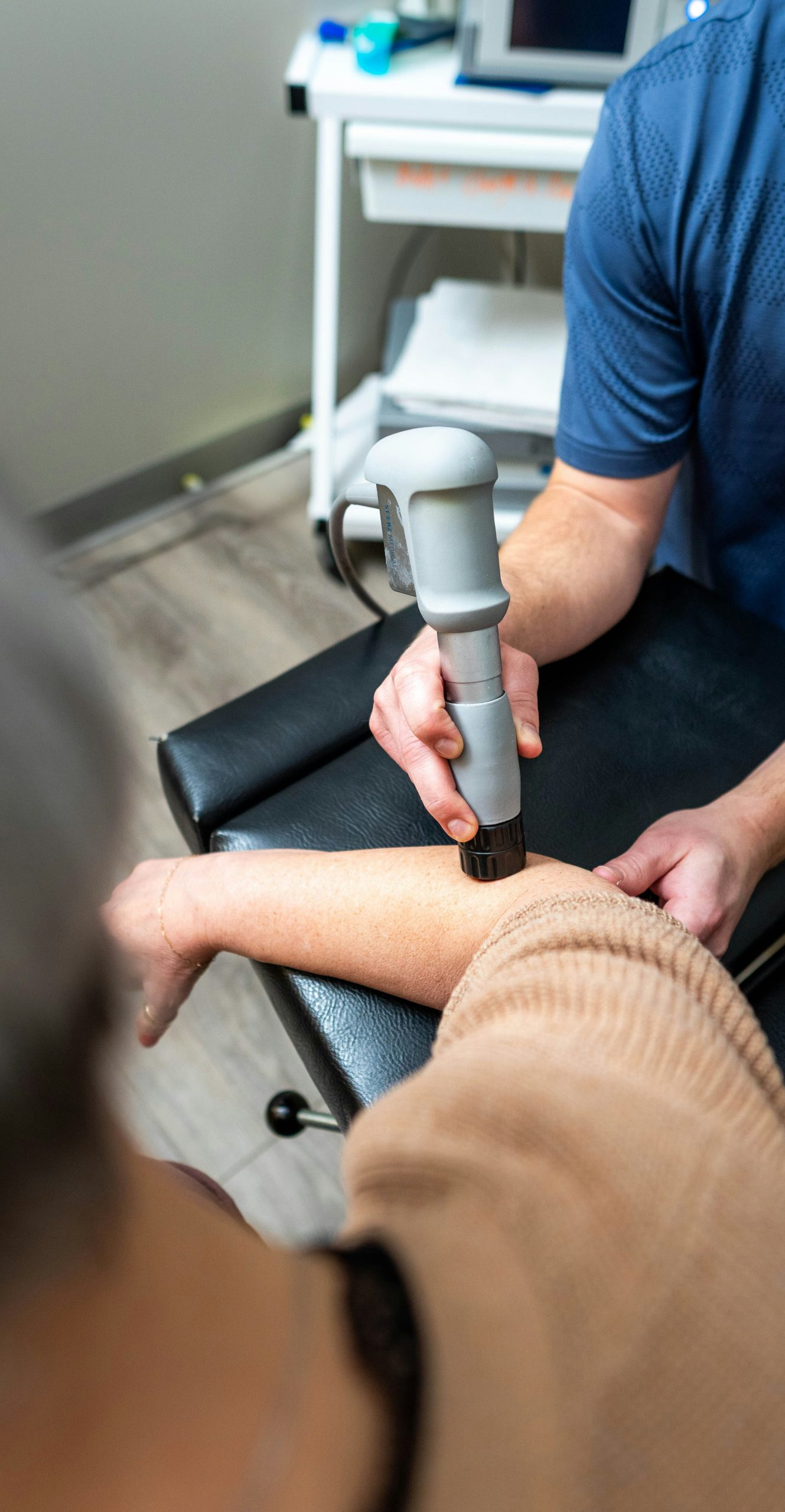
Ongoing discomfort may change depending on activity, work demands, exercise, or daily movement. Hyland Physiotherapy and Wellness offers laser therapy in Surrey to support patients dealing with selected muscle, joint, and soft-tissue concerns. Treatment is considered alongside the overall rehabilitation plan rather than being used in isolation.
Here are several concerns that may be addressed during ongoing laser therapy care:
Regular review helps determine whether laser therapy should remain part of the treatment plan or whether other rehabilitation approaches should be emphasized as symptoms change. Our focus is on using the appropriate combination of care for each stage of recovery.
We apply laser therapy according to the area being treated and the patient’s current presentation rather than using the same approach for every appointment.
Our team explains where laser therapy fits into your treatment plan so you understand what is being addressed and how it may be combined with other care.
We monitor changes in symptoms and movement so the treatment approach can be adjusted when your needs change.
Many people experience little sensation during treatment, while some may notice mild warmth in the treated area. The experience can vary depending on the treatment area and equipment settings.
Treatment time depends on the size and location of the area being treated and whether laser therapy is combined with other physiotherapy techniques.
Yes. Laser therapy may be used alongside therapeutic exercise, mobility work, manual therapy, and other rehabilitation techniques when appropriate.
The number of sessions depends on the nature of the concern, your response to treatment, and the overall rehabilitation plan.
Usually, it is helpful to wear clothing that allows easy access to the treatment area and inform your therapist about any recent changes in symptoms or health.
Not every treatment is appropriate for every person. Your therapist will review your condition and relevant health information before deciding whether laser therapy is suitable for you.
Hyland Physiotherapy and Wellness helps people dealing with pain, stiffness, injury, weakness, and daily movement limitations through individualized rehabilitation and supportive care.