
A cough, a quick run to the bathroom, lifting your child, or sitting through a workday can feel very different when your pelvic floor is not working as it should. Hyland Physiotherapy And Wellness offers pelvic floor physiotherapy in Surrey BC, focusing on how these muscles contract, relax, coordinate, and support bladder, bowel, pelvic, and core function. Pregnancy, childbirth, pelvic surgery, hormonal changes, and weak, hyperactive, tight, or poorly coordinated pelvic muscles can all be contributors to issues of the pelvic floor. Symptoms might slowly begin to interfere with exercise, sex, sleep, travel, job, and even ordinary everyday tasks.
Our method begins with a knowledge of what you are feeling and wish to improve. We evaluate your health history, symptoms, medications, daily routines, and functional goals so that your care is focused on what your body is actually doing. During pelvic floor physiotherapy in Surrey, you receive clear explanations throughout your visit. That means fewer assumptions about your symptoms and a better understanding of the muscles involved in bladder control, bowel function, pelvic support, sexual comfort, and core stability.

Pelvic floor problems do not always feel dramatic at first. A small leak, extra bathroom trips, pelvic pressure, or discomfort during intimacy can slowly influence how you plan your day. Our pelvic floor physiotherapy in Surrey BC addresses concerns linked directly to pelvic muscle function and coordination.
Common reasons people seek pelvic floor care include:
Through pelvic floor physio in Surrey BC, we also address chronic pelvic pain, pelvic floor muscle spasm, core weakness, diastasis recti, pregnancy-related alterations, postpartum recovery, and changes after hysterectomy or prostate surgeries.

Pelvic floor muscles can be weak, overly tense, poorly coordinated, or a combination of these patterns. That is why treatment should begin with assessment rather than guessing. During pelvic floor physiotherapy in Surrey BC, we check your symptoms and see how your pelvic muscles and the tissues around them are working. An external and internal pelvic floor examination can be included in the assessment where clinically useful. You will only be asked to take part in an internal exam with your permission. We tell you in advance what we are testing for so you know what to anticipate and you are in charge of the session.
Treatment may include: hands-on pelvic-floor treatments, biofeedback, muscle retraining, therapeutic exercise, relaxation work, coordination practice and home education. We can teach you when to contract your pelvic floor, when to relax your pelvic floor, and how your pelvic floor should cooperate with your breath and your core as you move around during the day. We monitor your progress over time and modify the workouts as your control, comfort, and function improve.
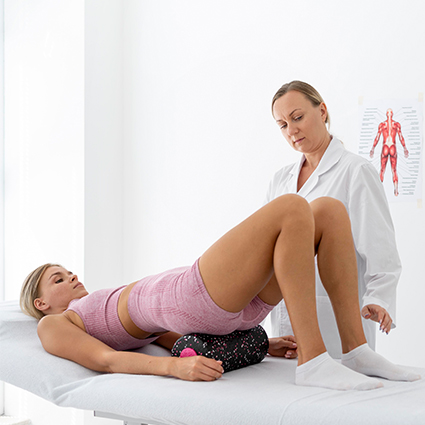
Your goal may be making it through a workout without leaking, reducing pelvic pressure during a long shift, feeling comfortable during intimacy, or regaining control after childbirth or pelvic surgery. Our pelvic floor physiotherapy in Surrey gives those goals a clear clinical starting point. Pelvic health care may include:
Nitika Karir, Registered Physiotherapist and co-founder of Hyland Physiotherapy And Wellness, has more than 15 years of clinical experience and completed pelvic-floor training in 2018. Her pelvic health background includes prenatal and postpartum care, urinary incontinence, pelvic-floor dysfunction, pelvic girdle pain, pelvic organ prolapse, diastasis recti, tailbone pain, female athletes, and post-menopausal health.
Your first visit gives us time to understand the symptoms affecting your routine and build the next steps around measurable pelvic health function.
Pelvic health concerns can feel deeply private. We keep conversations respectful, clear, and focused on what matters to you. This way, pelvic physiotherapy in Surrey BC feels easier to discuss and less overwhelming from your first visit through ongoing care comfortably.
Pelvic floor problems might change with activity, exercise, toileting, intimacy, and everyday life. We see those patterns in the real world. This keeps your care related to the situations that matter most, rather than treating symptoms in isolation.
Your pelvic floor does different jobs throughout the day. We focus on practical control for those demands. This empowers you to build better awareness around holding, releasing, and supporting the pelvic area during the activities that influence your comfort and confidence daily.
No. Pelvic physiotherapy is not limited to women, because pelvic-floor muscles are present in people of different sexes. These muscles play an important role in pelvic support, control, comfort, and everyday function. Men can also develop changes in pelvic-floor strength, tension, or coordination that deserve attention. Because these concerns can feel private, some people delay mentioning them or assume pelvic care is meant for someone else. A pelvic physiotherapy visit gives you a private setting to explain what has changed and have the pelvic floor assessed. The clinician can then identify whether the muscles are working as expected and whether pelvic-specific care is suitable. This wider view of pelvic health leads naturally to another group often overlooked: active female athletes.
Yes. Female athletes can use pelvic physiotherapy when sport places repeated demand on pelvic-floor support and control. Running, jumping, lifting, and fast direction changes can load the pelvic region. Hyland Physiotherapy And Wellness lists female athletes within its pelvic-health experience, making this a focused area of care. Seeing a pelvic floor physiotherapist in Surrey BC can help an athlete discuss changes that appear during training or competition. The clinician can assess pelvic-floor function against those activity demands and decide what needs attention. This keeps the focus on the pelvic muscles involved rather than broad fitness advice. Athletic demands can also reveal discomfort in nearby pelvic areas, which leads to another concern people may not connect with pelvic physiotherapy: tailbone pain.
Yes. Tailbone pain can fall within pelvic physiotherapy when discomfort is connected with the pelvic region and surrounding muscles. The tailbone sits at the back of the pelvis, where nearby tissues can influence comfort during sitting and movement. Persistent soreness may make desk work, driving, rising from a chair, or sitting through a meal difficult. Pelvic physiotherapy lets the clinician consider whether pelvic-floor muscle behavior is contributing to that pattern. This can matter when the problem feels deeper than a sore spot or keeps returning during daily routines. The clinic’s pelvic-health experience includes tailbone pain, making it a relevant reason to seek assessment. From tailbone discomfort, the next closely related issue is pelvic girdle pain, which can affect movement differently.
Yes. Pelvic girdle pain can be assessed through pelvic physiotherapy when discomfort around the pelvis begins affecting normal movement. The pelvic girdle carries load during standing, walking, turning, getting out of bed, and changing position. When this area becomes painful, ordinary movements may feel guarded or tiring each day. Nitika Karir’s pelvic-health background includes pelvic girdle pain, placing this concern within the clinic’s pelvic-floor scope. A pelvic physiotherapy assessment can look at the pelvic area and how supporting muscles behave during function. This keeps care linked to the location and movement pattern involved. Pelvic girdle symptoms can appear during different life stages, and one stage that deserves its own discussion is menopause, when some people begin noticing new pelvic changes.
Yes. Pelvic physiotherapy can remain useful after menopause when new pelvic-floor changes begin affecting comfort or daily function. Hyland Physiotherapy And Wellness lists post-menopausal health among Nitika Karir’s pelvic-floor areas of experience. Changes during this stage may develop gradually, so they can be easy to dismiss or accept as something that comes with age. Pelvic physiotherapy gives you a clinical setting to discuss those changes and have pelvic-floor function assessed. The aim is to identify what is happening in the pelvic muscles rather than making assumptions based on age. Care can then follow the findings and the pelvic concern being experienced. Menopause is one life stage where pelvic needs can shift. Pregnancy is another, leading naturally to prenatal pelvic physiotherapy.
Yes. Pelvic physiotherapy can be used during pregnancy, so care does not need to begin only after a baby is born. Pregnancy changes the demands placed on the pelvic region. The clinic’s pelvic-floor experience includes prenatal care, making this a relevant stage for assessment. Through pelvic health physiotherapy in Surrey BC, a pregnant patient can discuss pelvic changes arising during this period and have the pelvic floor checked in context. The clinician can focus on what the muscles are doing at that point in pregnancy and whether pelvic-specific care is suitable. This gives clearer information about current pelvic function before postpartum changes begin. That leads to a final practical concern: knowing when a mild or occasional pelvic symptom deserves attention.
Yes. A mild or occasional pelvic symptom can deserve assessment when it keeps returning or starts affecting your choices. Pelvic-floor changes do not always begin as strong, constant symptoms. Some appear only during certain movements, longer sitting, sport, pregnancy, menopause, or other situations. When a pattern repeats, pelvic physiotherapy can help determine whether pelvic-floor function is involved and whether care is appropriate. You do not have to wait for the issue to become severe before mentioning it. Early discussion can help you describe when the symptom appears, what seems to trigger it, and how often it returns. This connects the examples of athletes, tailbone discomfort, pelvic girdle pain, menopause, and pregnancy into one point: recurring pelvic changes are worth discussing.