Tennis elbow has a frustrating way of following you into ordinary moments. The arm feels a little better after a few quiet days, so you reach for a coffee mug, carry a grocery bag, open a jar, lift a pan, or spend a long afternoon at a keyboard. Then the familiar ache on the outside of the elbow returns. That cycle can make rest feel disappointing. You gave the arm time off, yet the discomfort still comes back when normal life asks the tendon to work again.
The useful part to know is that rest and recovery are not always the same thing. Rest may calm an irritated area, but it does not automatically rebuild the tendon’s ability to handle gripping, lifting, twisting, and repeated wrist movement. That is one reason acupuncture sometimes enters the conversation when tennis elbow has stayed stubborn.
Acupuncture may help some people reduce pain or improve short-term function. However, it should not be treated as a guaranteed cure, and the research is still mixed. The key is understanding what acupuncture may do, what it cannot promise, and where it may fit when rest keeps giving only temporary relief.
Tennis Elbow Is More Than an Elbow That Needs a Break
Tennis elbow is commonly called lateral elbow tendinopathy. The sore area is usually around the bony point on the outside of the elbow, where tendons from the forearm attach. These tendons help control the wrist and fingers, especially during gripping and lifting.
Despite the name, tennis is only one possible trigger. Repeated tool use, computer work, cooking, gardening, warehouse work, weight training, racquet sports, and frequent lifting can all place repeated demand on the same tendon area.
Common signs include:
- Pain or tenderness on the outside of the elbow
- Discomfort when gripping a cup, bag, racquet, or tool
- Pain when lifting with the palm facing downward
- A weaker or painful grip
- Soreness after repeated wrist or forearm use
- Symptoms that settle with rest and return with activity
Clinical guidance also notes that tennis elbow can linger or return, even though many cases eventually improve. Tendon changes, movement control, and the way the nervous system processes pain can all play a role in persistent symptoms.
Therefore, a stubborn elbow is not always asking for more complete rest. Sometimes it needs a better balance between calming symptoms and rebuilding tolerance.
Why Rest Can Help at First but Still Leave You Stuck
When an activity hurts, taking a break is a natural response. In the early stage, reducing movements that flare the elbow can be useful. It gives the area a chance to settle and may stop a difficult week from becoming even harder.
However, long stretches of avoiding normal arm use can create another issue. The tendon may become less prepared for the same loads that irritated it in the first place. Then, when gripping, lifting, work tasks, or sport return at the old level, the symptoms may return quickly.
A more useful idea is relative rest. That means reducing activities that clearly aggravate the elbow without treating the arm as if it cannot be used at all. For example, relative rest may include:
- Breaking one long task into shorter blocks
- Using two hands for heavier objects
- Temporarily reducing repeated gripping
- Changing wrist position during work
- Lowering training load instead of stopping every activity
- Building strength back gradually instead of jumping to the old level
Exercise research supports graded loading for lateral elbow tendinopathy. Studies have found that planned resistance exercise can improve pain, function, and grip strength, although the right amount and pace can differ from one person to another.
This is where acupuncture may become useful for some people. If pain is making movement or gradual strengthening difficult, short-term symptom relief may make those steps easier to tolerate.
Where Acupuncture Fits Into Tennis Elbow Care
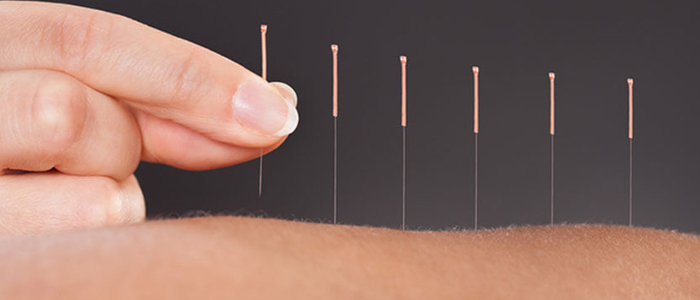
Acupuncture uses very fine needles placed at selected points on the body. When tennis elbow is being addressed, points may be chosen around the arm as well as in other locations based on the practitioner’s assessment and method of care.
The needle is not physically rebuilding the damaged tendon. Instead, acupuncture is thought to affect pain signaling and the nervous system’s response to discomfort. Local needling may also create short-lived responses in the tissues around the treated area.
For someone dealing with tennis elbow, the practical benefit can be easier movement. Less discomfort may make it easier to:
- Hold a mug or bottle
- Turn a key or door handle
- Type and use a mouse
- Carry lighter shopping bags
- Grip a steering wheel
- Begin gradual strengthening work
- Return to everyday arm movements with less guarding
However, feeling better and having a tendon that is fully ready for heavy load are two different things.
Even when acupuncture reduces symptoms, the arm may still need a gradual return to gripping, lifting, work, or sport. Doing too much simply because the pain has temporarily settled can start the same irritation cycle again.
What Research Says About Acupuncture for Tennis Elbow
Clear expectations matter here because acupuncture research for tennis elbow has produced mixed findings. A systematic review and meta-analysis involving 14 trials found low-level evidence suggesting that manual acupuncture may improve pain, disability, and strength in the short term. However, results varied between the included studies, which reduced confidence in the overall findings.
More recently, a 2024 systematic review examining non-invasive treatments for lateral elbow tendinopathy found low-certainty evidence that acupuncture may reduce short-term disability compared with sham acupuncture. The same review also highlighted that much of the evidence across tennis elbow treatments remains uncertain.
At the same time, not every research review has reached a positive conclusion. A 2024 umbrella review comparing a wide range of tennis elbow treatments concluded that acupuncture had not been shown to be effective overall. Therefore, the research supports a careful message rather than a bold promise.
Acupuncture may provide short-term pain or function benefits for some people, but results vary and the current evidence is not strong enough to guarantee recovery. That distinction gives you something useful to work with. Acupuncture does not need to be viewed as an all-or-nothing treatment. Instead, its value may depend on whether symptom relief helps you return to useful movement and gradually rebuild what the elbow needs to handle.
The Bigger Benefit May Come After the Pain Settles
Pain relief becomes more meaningful when it helps you do something useful again. A calmer elbow may make it easier to start the activities that help rebuild capacity over time. Depending on the person, that might involve controlled wrist strengthening, forearm loading, grip work, changes to repeated tasks, or a slower return to sport. In that sense, acupuncture may work more like a bridge than an entire recovery plan. Its value may come from helping you move from constantly protecting the elbow toward gradually using it again.
That change can show up in small but important ways. You may reach for a pan without automatically switching hands. Computer work may become easier to tolerate. Carrying groceries may create less soreness afterward. Training may become possible in shorter, controlled sessions rather than one large effort followed by several painful days. Most importantly, gradual progress can help break the familiar pattern of resting until the elbow feels good and then immediately doing too much.
What an Acupuncture Session May Feel Like
People who have never experienced acupuncture sometimes expect the needles to feel much larger than they actually are. Acupuncture needles are very fine.
A brief prick may be felt as a needle enters the skin. Afterward, some people notice a dull ache, heaviness, warmth, tingling, or very little sensation. A session generally begins with a health discussion. The practitioner may review how long the elbow has been bothering you, which movements bring on symptoms, what your daily activities involve, and whether other health factors need to be considered.
The needles are then placed at selected points and may remain there for a period of time. The number of needles, their location, and the length of treatment can vary. Sterile, single-use needles are an important part of safe acupuncture care. Mild temporary effects can include:
- Slight tenderness
- A small bruise
- Brief bleeding at a needle site
- Temporary soreness
- Feeling tired after treatment
Serious complications are uncommon when acupuncture is carried out by a properly trained practitioner following safe needle practices.
Better Progress Comes From Tracking Function, Not Just Pain
A pain score can be useful, but it does not tell the whole story.
Someone may still notice mild discomfort yet be able to use the arm much more comfortably than a few weeks earlier. On the other hand, the elbow may feel good while resting but remain very sensitive whenever gripping starts.
Therefore, daily function can provide a clearer view of progress. Useful signs of improvement may include:
- Carrying a grocery bag with less discomfort
- Gripping a mug without immediately releasing it
- Using a mouse for longer before soreness begins
- Lifting light objects with better control
- Gradually improving grip strength
- Completing work tasks with fewer flare-ups
- Tolerating exercise better the following day
These changes often matter more than simply having one comfortable afternoon after treatment. Likewise, symptom relief should not become permission to suddenly test the elbow with heavy lifting. A tendon that feels calmer may still need time to build its capacity back.
Rest Still Has a Place, but the Type of Rest Matters
The lesson is not that rest is useless. Rest can be valuable when an activity repeatedly aggravates symptoms. The problem appears when rest becomes the only strategy. Complete avoidance may calm the elbow temporarily, while the same painful response returns as soon as normal activity resumes. Instead, changing the amount, speed, frequency, or difficulty of an activity may allow the tendon to settle without losing all exposure to movement.
For instance, someone who develops pain after an hour of repetitive gripping may temporarily work in shorter blocks. A gym-goer may reduce weight and volume. A racquet-sport player may shorten sessions before gradually increasing playing time. Small changes can be easier for the body to handle than repeatedly switching between complete rest and full activity.
Signs That Deserve a Proper Assessment
Not every ache around the outside of the elbow comes from tennis elbow. Nerve irritation, neck problems, joint injuries, arthritis, fractures, and other conditions can sometimes create similar discomfort.
Assessment becomes especially important when symptoms include:
- Numbness or tingling into the hand
- Sudden or major loss of strength
- Significant swelling, redness, or heat
- Pain after a fall or direct blow
- Strong night pain that does not change with position
- Neck pain occurring with arm symptoms
- Symptoms that continue to worsen
- Ongoing pain that makes basic daily tasks difficult
These signs do not automatically mean that something serious is happening. However, they make guessing at the cause less useful. Knowing what is actually causing the symptoms can prevent weeks of repeating a strategy that does not match the problem.
A Smarter Way to Judge Whether Acupuncture Is Helping
If acupuncture becomes part of your tennis elbow care, progress is easier to judge when you look beyond how the elbow feels immediately after a session. Pay attention to practical changes over time.
A useful improvement may mean that gripping becomes easier. It may mean you can work longer before the elbow complains. It may mean you can gradually increase exercise without having a major flare-up the following day.
Likewise, the response should be reviewed over time rather than assuming that more sessions are always better. If nothing is changing in pain, strength, movement, or daily function, the plan may need to be reconsidered. That keeps the focus where it belongs, i.e., on helping the arm become more useful again rather than simply repeating treatment.
Final Verdict
Acupuncture may be a fair alternative for some patients with tennis elbow when rest alone has not been effective, primarily because it may offer short-term alleviation in discomfort or handicap. But data is contradictory and current research does not support acupuncture being treated as a sure cure. The wider picture for recovery is still determining what’s irritating the tendon, reducing how much load it gets, and slowly restoring the strength at a speed the elbow can bear.
For readers in Surrey who want to learn more about this form of care, Hyland Physiotherapy And Wellness lists acupuncture among its clinic services and specifically includes tennis elbow among the concerns for which people may seek acupuncture. We also use sterile, single-use fine needles and carry out an assessment before treatment.
The main takeaway is simple. When rest keeps providing only temporary relief, more rest is not always the missing piece. Acupuncture may help settle symptoms for some people, while lasting progress is more likely when that relief supports a careful and gradual return to normal arm use.